Accountability in Aircraft Maintenance: More Than Just a Signature.
Accountability isn’t Optional in Aircraft Maintenance. In an aircraft maintenance facility, accountability is more than a management buzzword, it’s a safety imperative. It is deeply shaped by organizational culture.
We know that all technicians clearly understand the weight of their responsibility. They recognize that every maintenance action, every logbook entry, and every CRS signature carries direct safety implications. However, their ability to consistently demonstrate accountability is strongly influenced by systemic factors.
When technicians skip steps, fail to document repairs, or overlook tagging procedures, the consequences aren’t just procedural, they’re potentially catastrophic.
A lack of accountability can lead to:
- Unserviceable parts re-entering circulation due to improper tagging
- Incomplete maintenance records that compromise traceability and regulatory compliance
- Shift turnover failures that result in missed repairs and system leaks
These aren’t isolated incidents, they’re systemic risks. And they’re preventable!

Accountability means:
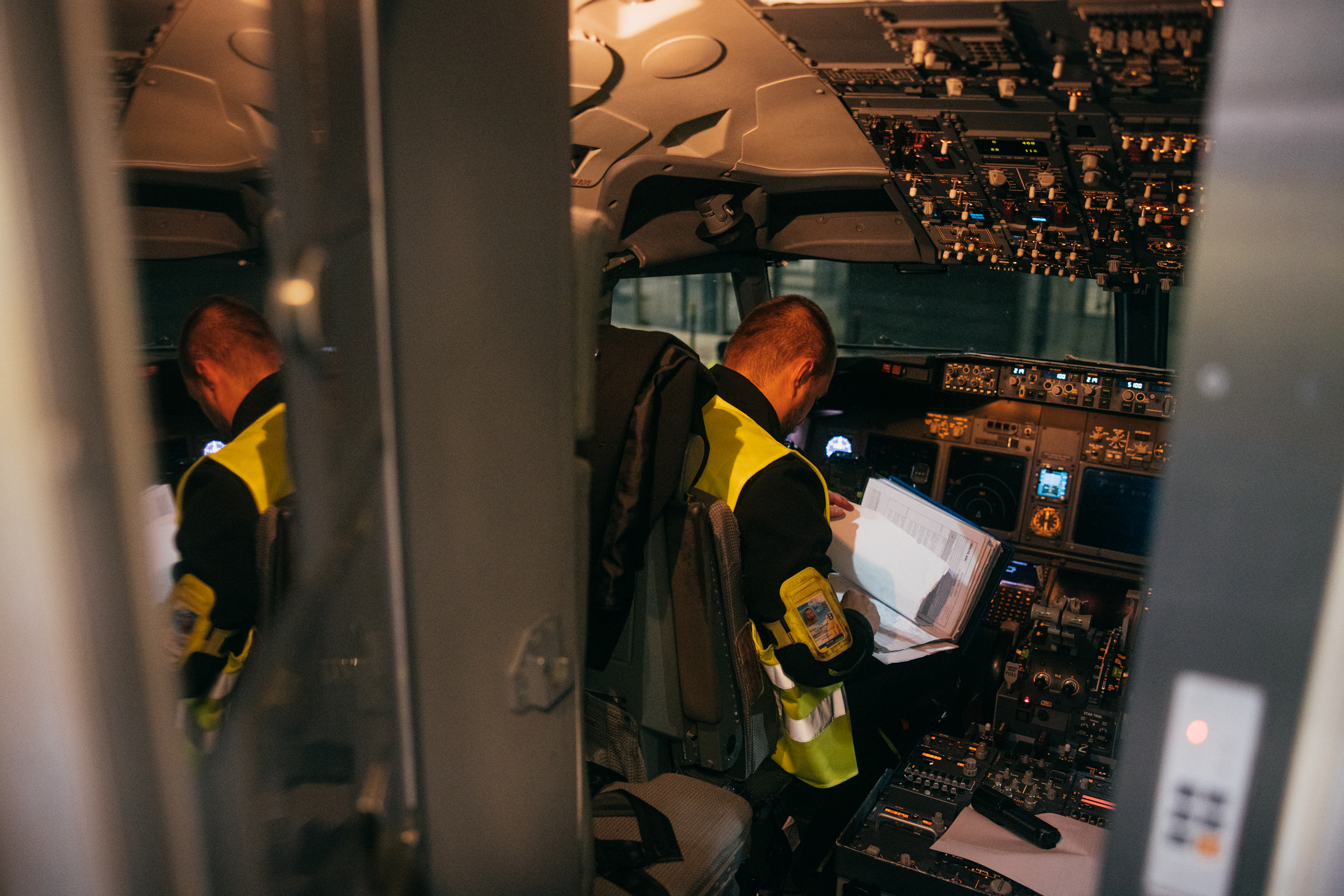
- Clear documentation of every maintenance action
- Proper training and oversight
- Immediate corrective and preventative actions for nonconformities
- Holding individuals responsible for reckless or negligent behaviour
And exists when:
- Procedures are clear and accessible
- Training strengthens professional responsibility
- Documentation is treated as a safety control, not paperwork
- Management responds fairly but firmly to unsafe behavior
Accountability starts with the environment we create together.
When we maintain a professional, respectful, and supportive safety culture, it becomes easier to:
- follow procedures without shortcuts,
- complete documentation properly,
- speak up when something doesn’t look right
Our role is to ensure the system supports you. Your role is to use it.
Reporting is professionalism - not weakness
We want to be explicit: reporting errors, irregularities, or near-misses is not self-blame. It is professional behavior.
If something goes wrong, hiding it increases risk.
Reporting it protects:
- the next shift,
- the next flight,
- and your colleagues.
Reckless behavior will always be addressed. But honest mistakes must be reported so we can fix the system - not blame the individual.
Documentation is a safety barrier, not paperwork
We understand that documentation can feel routine or repetitive. But incomplete records, missing tags, or unclear handovers are not administrative issues - they are operational risks.
Every entry you make:
- preserves traceability,
- supports regulatory compliance,
- protects you legally and professionally.
If it’s not documented, it didn’t happen and we lose a critical safety defense.
Standards only work if we consistently apply them
Procedures, MOE requirements, tagging rules, shift handovers - these are not theoretical. They exist because someone, somewhere, learned a lesson the hard way.
We expect:
- procedures to be followed,
- deviations to be reported,
- nonconformities to be corrected immediately.
And we commit to:
- fair oversight,
- consistent enforcement,
- and continuous improvement.