

“No decision is also a decision.”
Decisiveness combines a number of different abilities:
- the ability to put things into perspective
- to weigh the options
- to assess all relevant information
Perhaps most importantly, decisiveness requires the ability to anticipate the consequences, good and bad.
To be an effective decision maker, you must:
- Have an awareness of the situation
- Be fully dedicated to a procedure-driven culture
- Consider as many facts and conditions as possible
- Understand that making no decision is, in fact, a decision that may have consequences
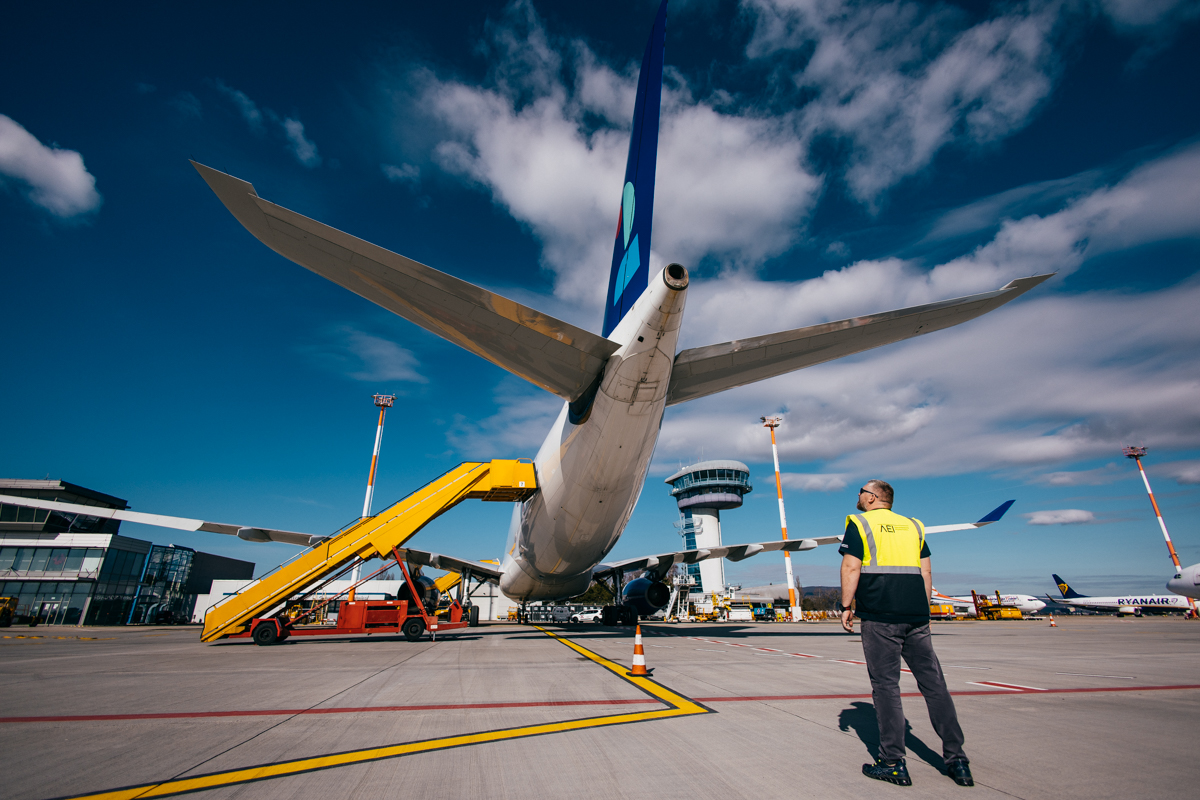
Decisiveness is also the ability to make timely, safety-based decisions, especially when information is incomplete, pressure is present, or escalation is necessary.
In practice this means:
- knowing how to stop work when something doesn’t feel right
- knowing how to escalate doubt
- knowing how not to give in to pressure
- knowing how to admit the limit of knowledge
- at the same time not making decisions impulsively, but based on facts, procedures and safety impact
For mechanics, decisiveness often shows up in simple but critical moments:
- stopping a task when the documentation is unclear
- asking for support when you are outside your limits
- challenging an unsafe assumption
- refusing to release work that you are not confident in
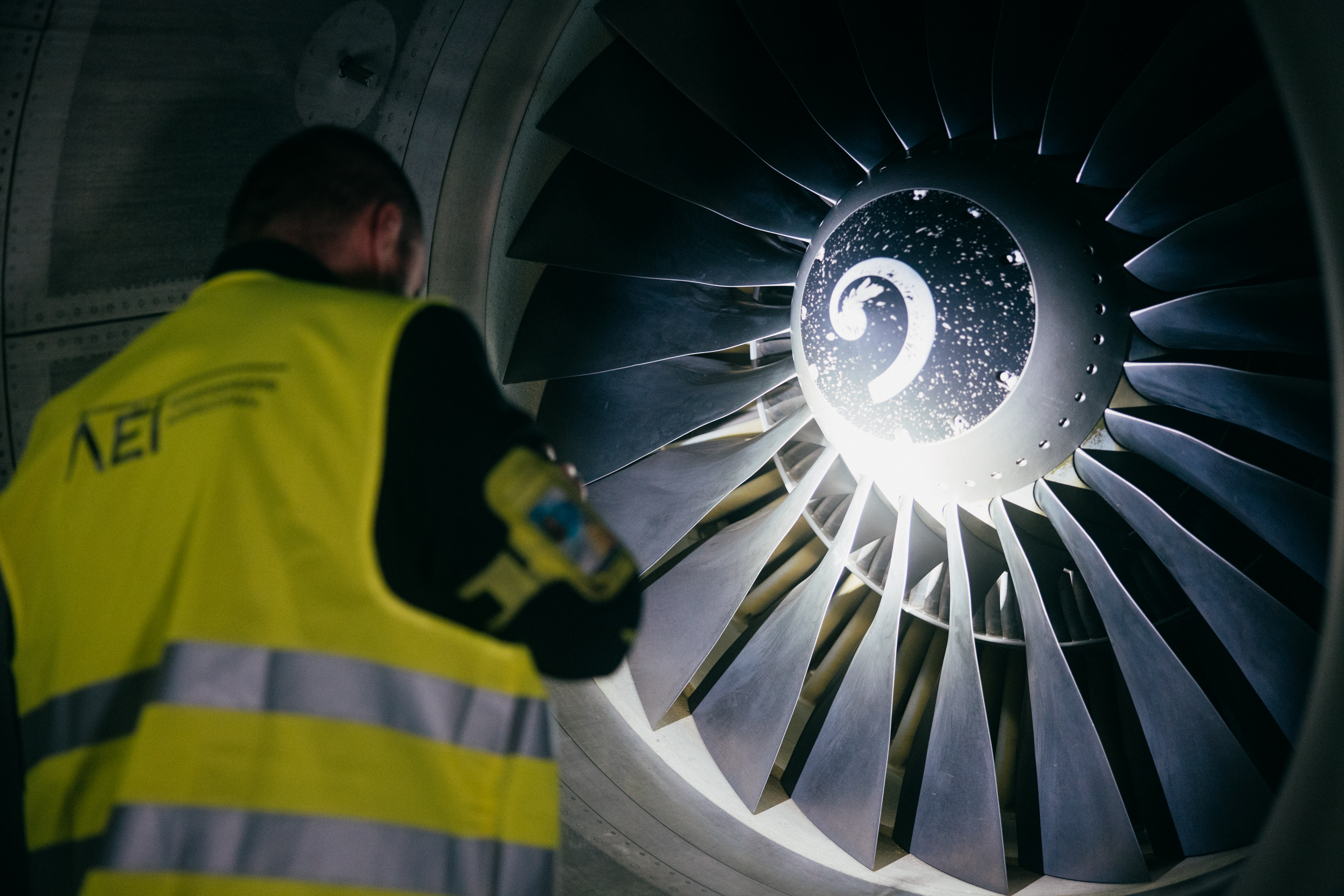
These are not signs of weakness or delay.
They are signs of professionalism, operational integrity, and safety awareness.
Lack of assertiveness can push people to go along with a decision even when they believe it is wrong or dangerous.
Combination of better decision-making with better communication and safer outcomes, including use of practical structures such as the DECIDE model to recognize a problem, evaluate options, choose a safe course of action, and review the result.
Let’s introduce the DECIDE model more closely
An aeronautical version was adapted from an earlier version that was born based on a study of hazardous materials accidents in the 1970s.
If we remove the hazardous materials component, the model is still valid for any decision-making process, we just have to use other words for the acronym:
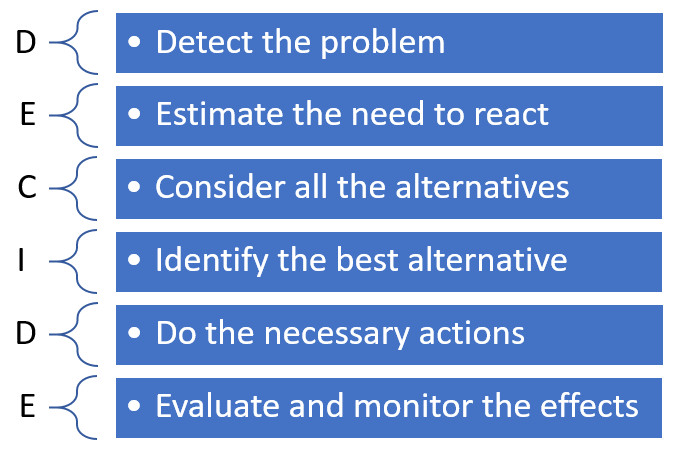
https://www.linkedin.com/pulse/decide-model-from-1974-help-you-decision-making-today-pedro-henrique/
For more information check out also this website by Ludwig Benner:
https://www.domprep.com/articles/ludwig-benner-the-father-of-modern-hazmat-thinking/
Many maintenance errors do not begin with lack of technical skill.
They begin with hesitation, assumptions, pressure, poor communication or failure to speak up.
The unsafe act often happens before the tool touches the aircraft — at the moment when someone notices something is wrong but does not act clearly enough or early enough.
In the introduction, when we presented our FFP - Safety Champion project, we mentioned the concept of the Dirty Dozen - The 12 Human Factors. This concept has long served as a framework to help MRO professionals identify and mitigate these risks.
However, as the industry evolves, so do the challenges, leading to an expansion of the list to the “Filthy Fifteen.”
This updated framework captures modern stressors and influences in aviation maintenance, helping address risks from new technology, regulations, and workforce changes.
This concept is also closely related to the FFP tool – Decisiveness.
Additional new factors to address emerging challenges in MRO work, reflecting the industry’s growing complexity and need for adaptability are:
- Technology Overload
- Information Overload
- Procedural Drift
More about Decisiveness you can find in these sources:
You can read more about it in following article:
https://hace.aero/from-dirty-dozen-to-filthy-fifteen-evolving-human-factors-in-aviation-maintenance/
Federal Aviation Administration (FAA), 2019. Aviation Maintenance Human Factors Newsletter: How to Improve Decision Making and Human Factors Using the DECIDE Model. Available at: FAA website.