Self-awareness is a seldom talked about, but highly valued, safety champion tool. Knowing when to accept responsibility for any mistakes you have made demonstrates a healthy level of humility and a willingness to learn and progress.
A responsible person will:
- Always do the right thing, even when no one sees it
- Always follow the procedures
- Say something when procedures are unavailable or unclear
- Help co-workers to comply with the procedures
“Transparency prevents escalation, a problem solved today is a smaller risk tomorrow.”
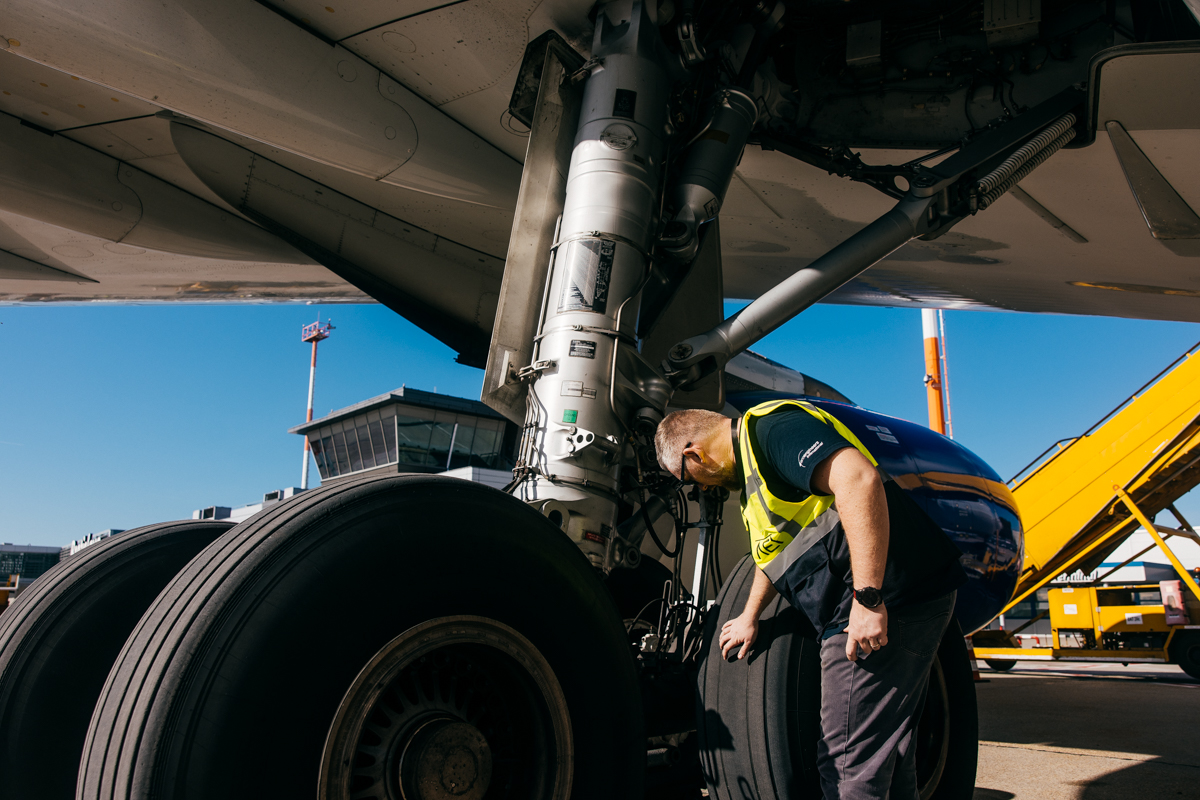
Responsibility: Doing the Right Thing Even When No One Sees It
In aircraft maintenance, responsibility is not only about signing a task card or completing a job on time. It is about personal integrity. It is about making the safe choice even when the aircraft is delayed, the shift is busy, or nobody is watching.
Professional maintenance depends on:
- truth
- honesty
- sound judgment
- the courage to avoid compromising safety for personal or operational pressure
You must be assertive and must not allow pressure from others to influence an unsafe release decision.
A responsible mechanic always follows procedures
That does not mean following them blindly. It means understanding that procedures exist because previous events, errors, and lessons learned have already shown where the risks are.
The failure to follow procedure should be addressed systematically and that contributors at all organizational levels need to be considered, not only the individual mechanic. When procedures are weak, unclear, impractical, or unavailable, that is not a reason to improvise silently.
That is a reason to stop, ask, clarify, and raise the issue.
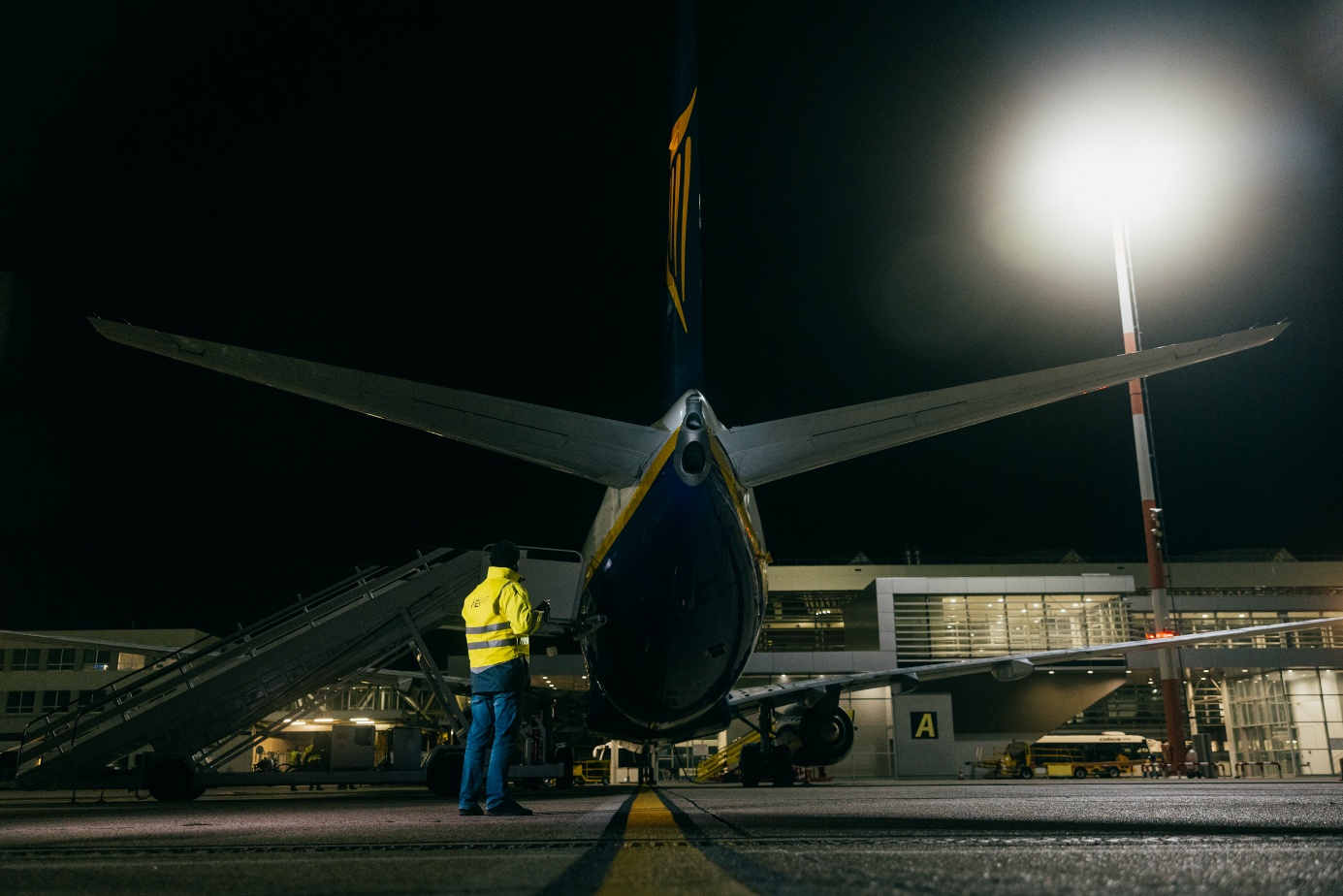
Responsibility also means speaking up
In a healthy safety culture, people are encouraged to point out unsafe conditions and are empowered to act before a problem becomes an event. The mechanics working in safety culture know that safety is their responsibility and feel empowered to speak up when something is unsafe.
In practice, this means saying something when:
- a procedure is missing
- the instructions do not match the task
- a shortcut is becoming “normal”
Just as important, responsibility is not only individual compliance. It also includes helping others comply.
The safety behaviour includes both:
- safety compliance
- safety citizenship behaviours
That means safe organizations are built not only by people who follow the rules themselves, but also by people who support safe behaviour around them. Based on some studies technicians may be less likely to report unsafe situations within their own team, which is exactly why responsibility must include the courage to speak up even when it feels uncomfortable.
Part of responsibility is trust
New research in aviation maintenance shows that trust strengthens safety culture, while fear can undermine safety-related perceptions and discourage open communication.
If people are afraid of blame, embarrassment, or conflict, they may stay silent instead of admitting a mistake or asking for help.
But real professionalism is not pretending to be perfect.
Real professionalism is recognizing:
- risk
- admitting an error early
- protecting the next person in the chain from inheriting the same problem
What does responsibility look like?
It is simple, but not always easy:
- follow the procedure
- stop when something does not make sense
- ask when you are unsure
- report what needs to be reported
- support your co-workers in doing the same
Every signature, every handover, every inspection, and every decision is a promise that the work was done correctly and safely.
The entire airworthiness system depends on that professional integrity.
More about Responsibility you can find in these sources:
https://www.sciencedirect.com/science/article/
Aktas, E. and Kağnıcıoğlu, C.H. (2023) Factors affecting safety behaviours of aircraft maintenance technicians: A study on Civil Aviation Industry in Turkey. Safety Science, 164, 106146. Available via ScienceDirect.
Lee, S.-A. and Truong, D. (2026) Trust, Fear, and the Dual Domains of Safety Culture in Aviation Maintenance: A Structural Equation Modelling Approach. Safety, 12(2), 37. Available via MDPI.