
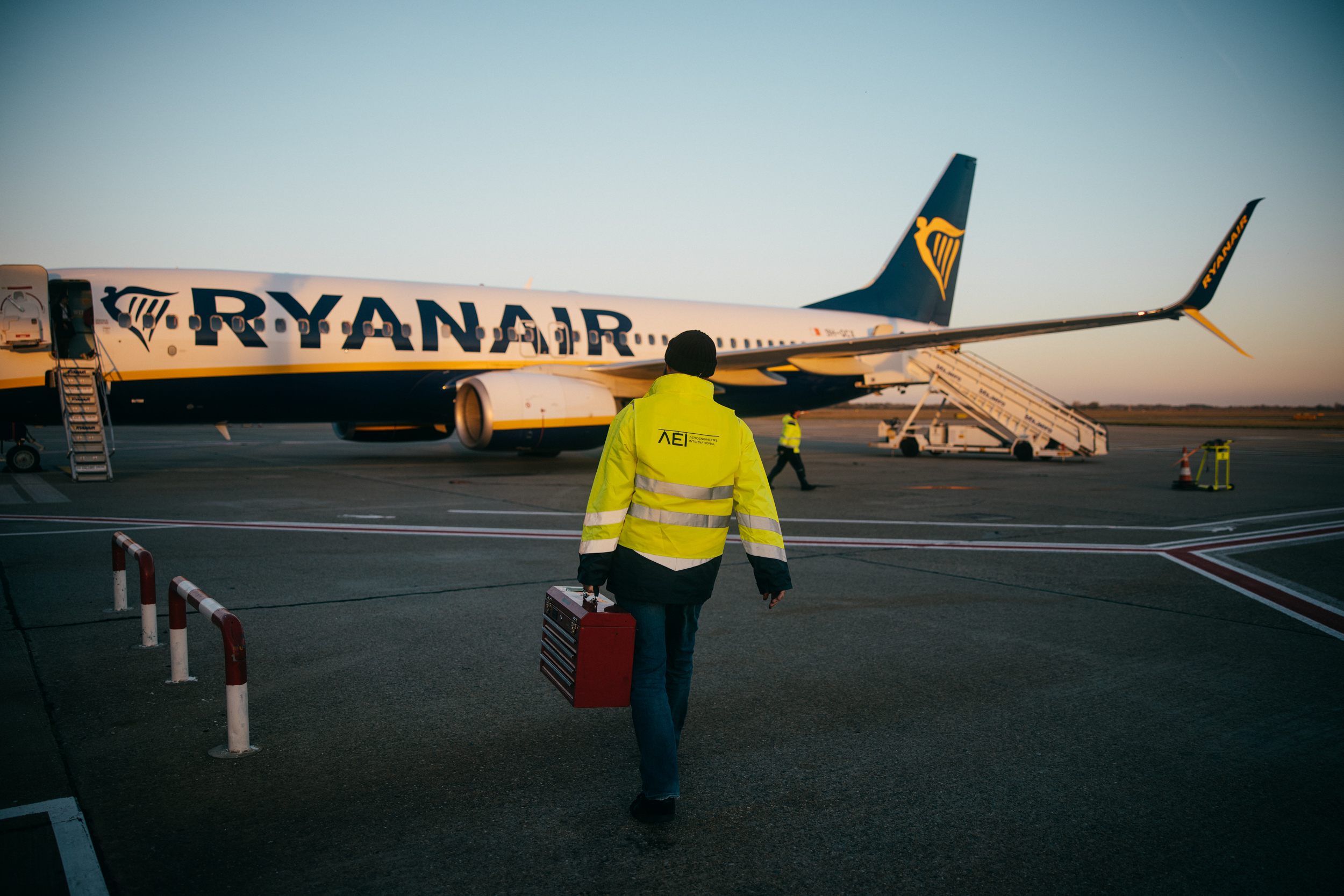
Having positive attitude and the initiative to work well without round-the-clock supervision is a vital safety champion tool for all employees.
Not only does it demonstrate reliability and commitment, but it also shows that you can fit effectively into an organisational structure without the need for constant oversight.
“Self-motivation is the difference between average and safe performance”
Aviation, a marvel of modern engineering, relies on a complex interplay of technology, procedures, and human expertise. While technological advancements have significantly enhanced safety, the human element remains a pivotal factor in ensuring accident-free operations. In this section we are going to talk about the crucial role of motivation – both individual and organizational – in shaping aviation safety outcomes.
The global aviation industry has made remarkable strides in improving safety. Statistics from organizations like the International Air Transport Association (IATA) and the International Civil Aviation Organization (ICAO) demonstrate a consistent downward trend in accident rates over the past few decades. However, accidents and incidents still occur, highlighting the need for continuous improvement and a deeper understanding of the factors that contribute to safety performance.
Initially, aviation safety focused primarily on technical factors. Accidents were often attributed to mechanical failures or design flaws. However, as the industry matured, the role of human error became increasingly apparent. The 1970s and 1980s witnessed a shift towards understanding the human factors that contribute to accidents.
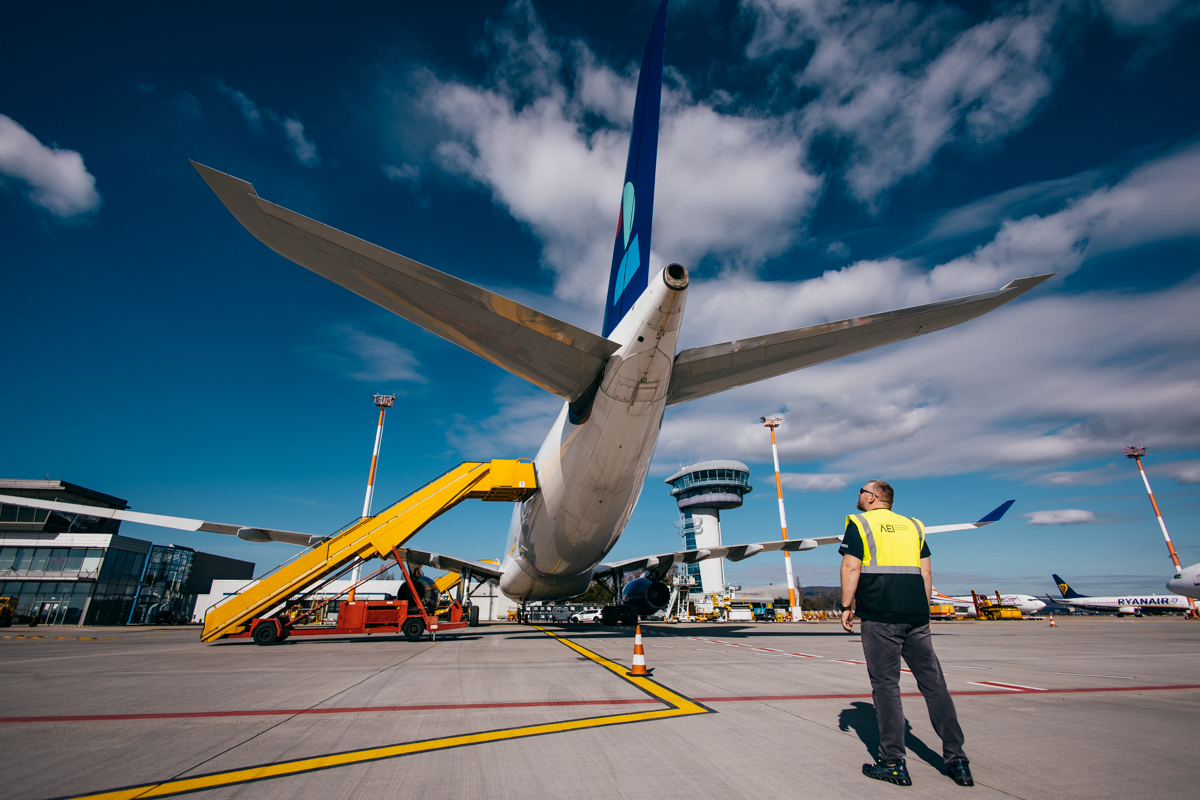
Human factors encompass a wide range of elements that affect human performance, including:
- Physiological factors: Fatigue, Stress, Illness
- Psychological factors: Perception, Decision-making, Situational Awareness
- Social and organizational factors: Communication, Teamwork, Leadership, Organizational culture
Motivation: The Driving Force Behind Safety Behaviour
Motivation, derived from the Latin word "movere" (to move), represents the internal and external factors that energize, direct, and sustain behaviour. In the context of aviation safety, motivation influences the extent to which individuals and organizations actively engage in safe practices.
- Intrinsic Motivation: Driven by internal rewards, such as satisfaction, personal growth, and a sense of accomplishment = self-motivation
- Extrinsic Motivation: Driven by external rewards, such as pay, recognition, promotion, or avoidance of punishment.

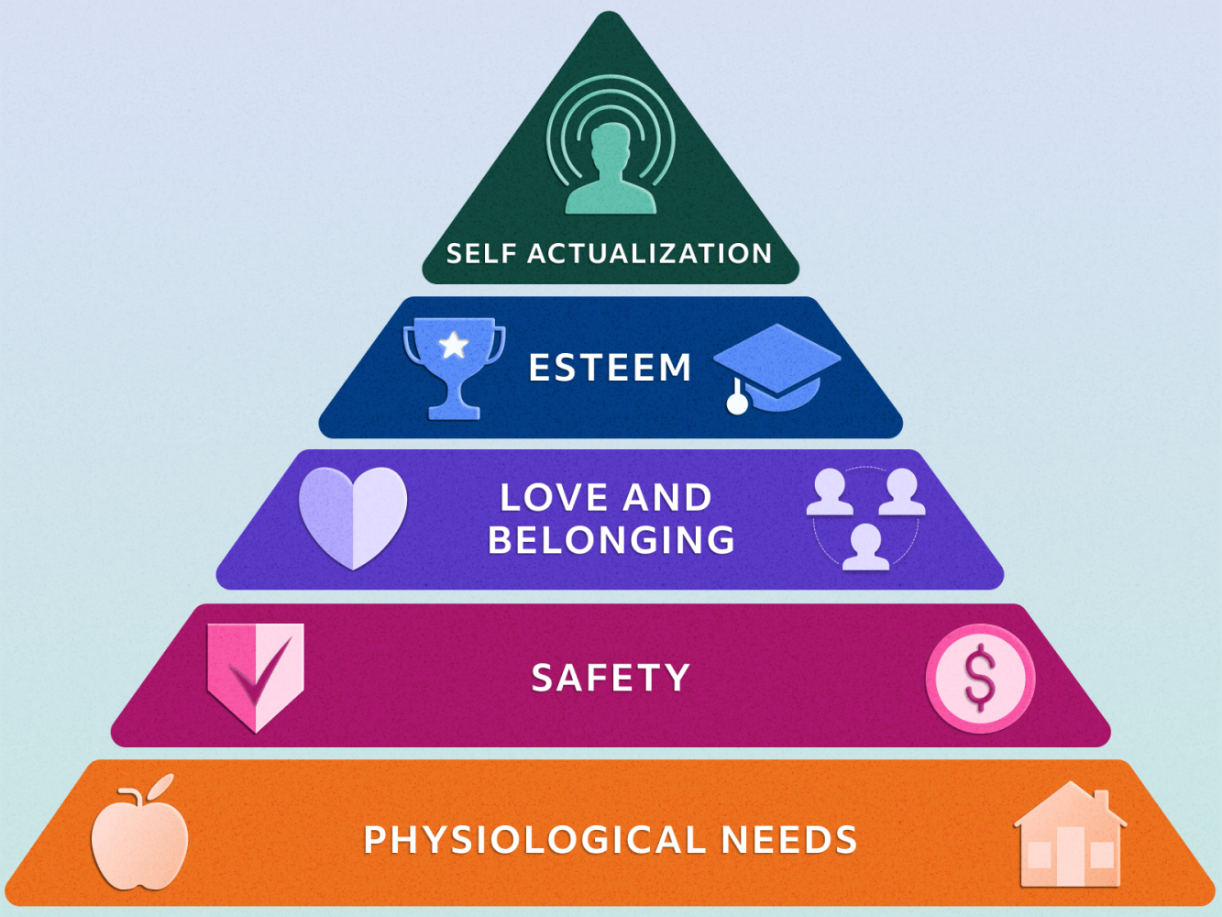
Many of you are familiar with Maslow's well-known pyramid of needs, but not all of you are familiar with another theory, which is perhaps more understandable because it shows what motivates us and what most often demotivates us if we are not satisfied with it.
Maslow's Hierarchy of Needs:
Suggests that individuals are motivated to fulfil basic needs (e.g., physiological, safety) before pursuing higher-level needs (e.g., belonging, esteem, self-actualization).
In aviation, ensuring basic safety needs are met is crucial before expecting individuals to engage in more proactive safety behaviours.
Herzberg's Two-Factor Theory:
Distinguishes between demotivators (e.g., working conditions, salary) that prevent dissatisfaction and motivators (e.g., recognition, achievement) that contribute to job satisfaction and motivation.
A positive safety culture acts as a motivator, enhancing job satisfaction and encouraging proactive safety behaviour.

People are naturally motivated when they feel capable and professional in their work. For you technicians this means having the knowledge, skills, and confidence to perform maintenance tasks correctly.
Motivation increases when individuals feel responsible for their own work and decisions.
People are more motivated when they understand why their work matters.
Self-motivated technicians typically demonstrate:
- Positive attitude – professional pride, perception of work as a security mission
- Reliability and consistency – you are consistent, the work is done correctly even when no one is checking it.
- Commitment – responsibility for the result of the work and ownership of task, avoiding shortcuts even when under time pressure, maintaining professional standards without constant supervision.
- Initiative to work – you are actively looking for problems, and you are doing extra check
- Focus on accuracy and quality - attention to detail, checking one's own work
Aircraft maintenance technicians directly contribute to flight safety and the protection of human lives.
When this connection is clearly understood, it strengthens internal motivation and commitment to performing work correctly.
Motivation is not only individual
It is connected to the Safety culture of the organization, which shapes Safety Motivation.
When Safety Culture is positive and strong then we can talk about a Culture of Trust and Openness:
- Commitment from leadership: Visible and consistent demonstration of safety as a core value.
- Open communication: Encouraging reporting of errors and near misses without fear of blame.
- Trust and respect: Creating an environment where individuals feel comfortable raising safety concerns.
- Learning orientation: Viewing errors as opportunities for learning and improvement.
- Fairness and justice: Applying consistent and equitable standards in response to safety incidents.
What if Safety Culture becomes weak?
Conversely, a weak safety culture can undermine motivation and lead to:
- Underreporting of safety issues: Fear of blame or reprisal.
- Complacency and normalization of deviance: Acceptance of unsafe practices as the norm.
- Lack of engagement in safety initiatives: Perception that safety is not a priority.
- Increased risk of accidents and incidents.
More about Self-motivation you can find in these sources:
https://www.linkedin.com/pulse/interplay-motivation-culture-fostering-aviation-safety-ali-ardestani/
https://www.faa.gov/sites/faa.gov/files/about/initiatives/maintenance_hf/training_tools/HF_Guide.pdf