“One aircraft. One team. One standard.”
Like leadership, good teamwork involves a combination of other safety champion tools. Working in a team toward a common goal requires intuition and the interpersonal wisdom to know when to be a leader and when to be a listener.
Good team players:
- Help and guide team members
- Share information openly and willingly
- Foster an environment of trust
- Are perceptive, as well as receptive, to the needs and responsibilities of others
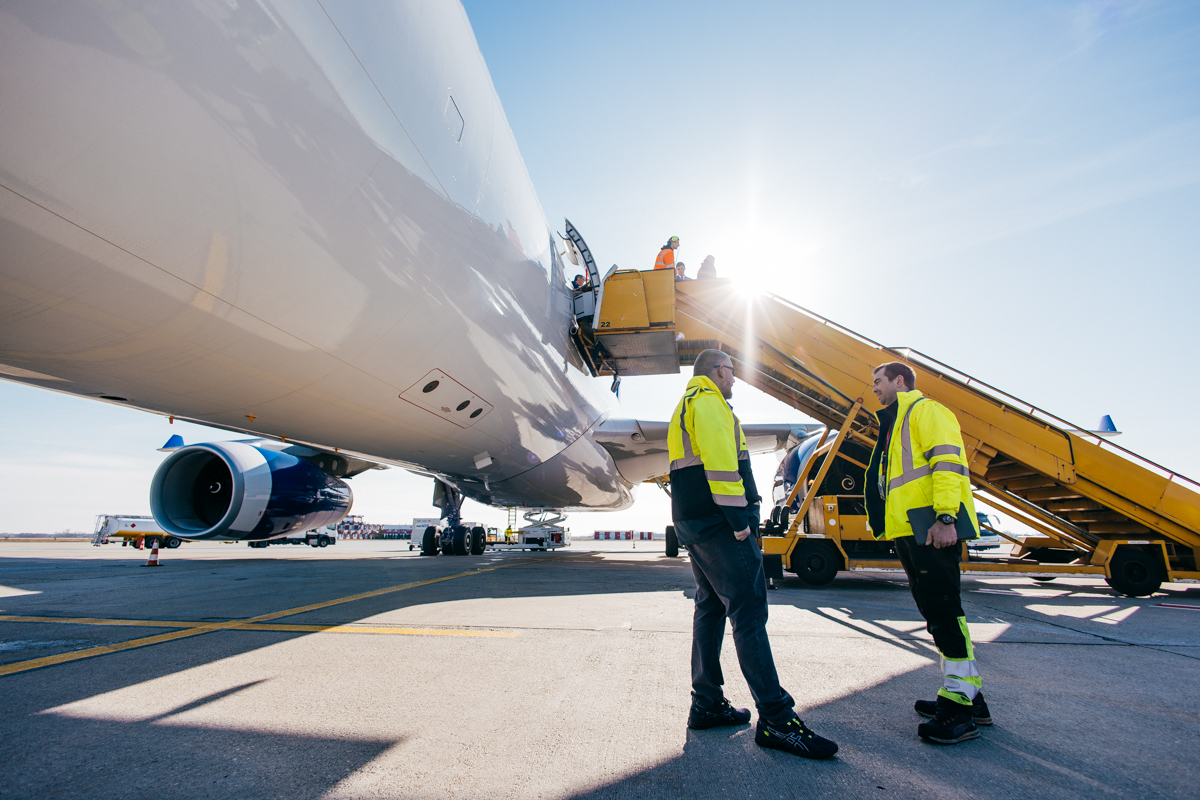
The Impact and Necessity of Teamwork in Aircraft Maintenance: The Unseen Power Behind Safe Skies
Air travel would not have achieved its remarkable safety record without the dedicated teams that work tirelessly behind the scenes.
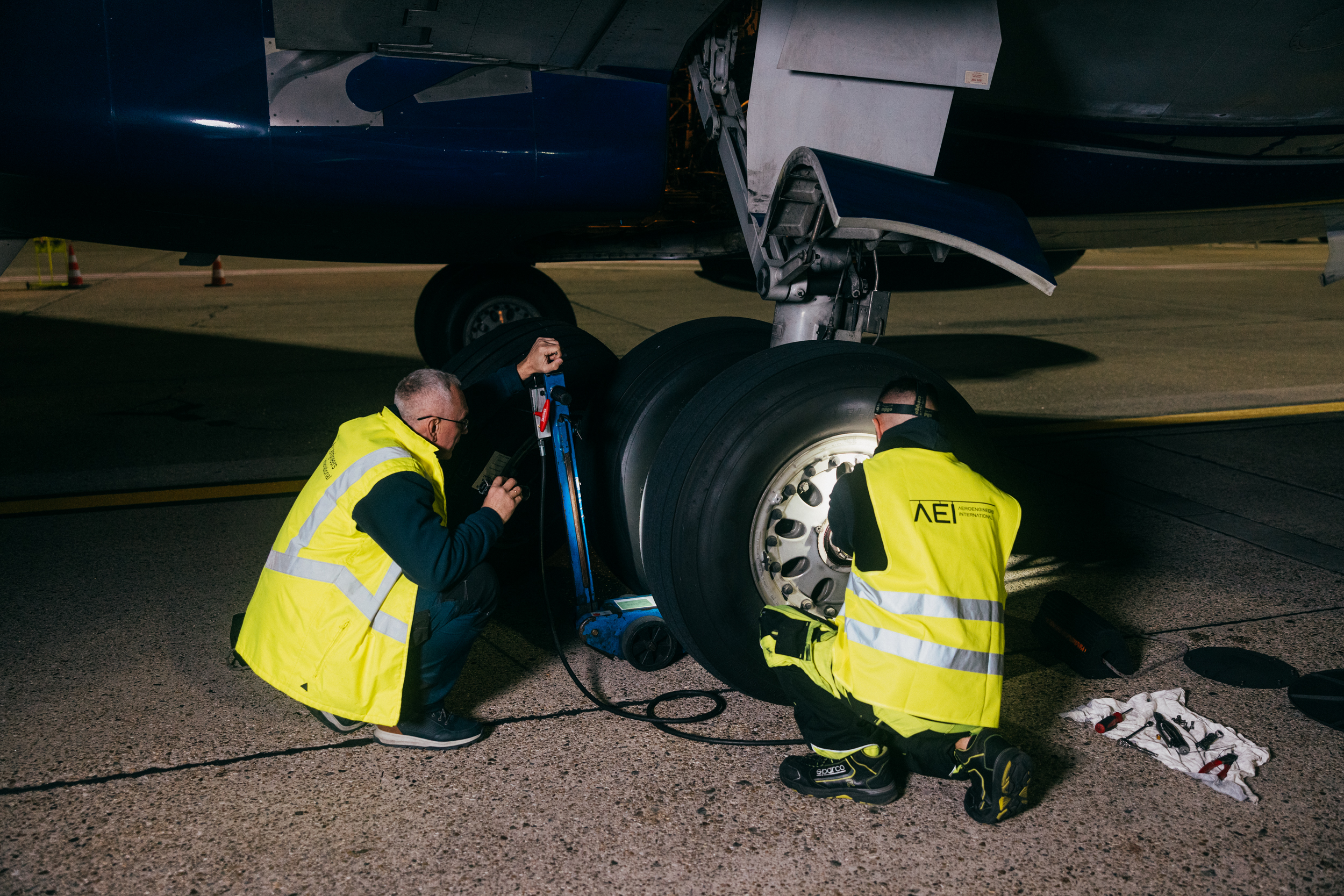
In aircraft maintenance, teamwork is not just about working next to each other. It is about working with each other. Safe maintenance depends on clear communication, mutual support, and the willingness to speak up when something does not look right.
You know that one missed handover, one unclear message, or one assumption can create the conditions for error. That is why teamwork matters.
Maintenance Resource Management (MRM) as the maintenance equivalent of Crew Resource Management and explains that it is designed to improve communication and team coordination among maintenance personnel.
MRM has been defined in the literature as “collaboration and communication for maintenance safety”, which is a very strong way of describing what good teamwork should look like. It is not only about being cooperative. It is about protecting the job, the aircraft, and each other.
Key pillars of teamwork in aircraft maintenance
There are three critical factors that define successful teamwork in aircraft maintenance. They are Communication, Cooperation, and Coordination.
- Communication: It’s the linchpin that holds the team together. Sharing precise and timely information prevents mistakes and helps in uncovering potential issues.
- Cooperation: It’s the willingness to work together towards a common goal. Each team member has a unique skill set, and when these skills are employed cooperatively, it creates an environment that fosters excellence.
- Coordination: It’s the ability to manage interdependent roles and activities efficiently. Coordination ensures that tasks are timed perfectly to keep everything running smoothly.
Good teamwork means sharing the right information at the right time. It means checking understanding, not assuming it. It means supporting a colleague who asks for clarification instead of seeing that as weakness. Strong teams do not stay silent; they communicate early, clearly, and professionally.
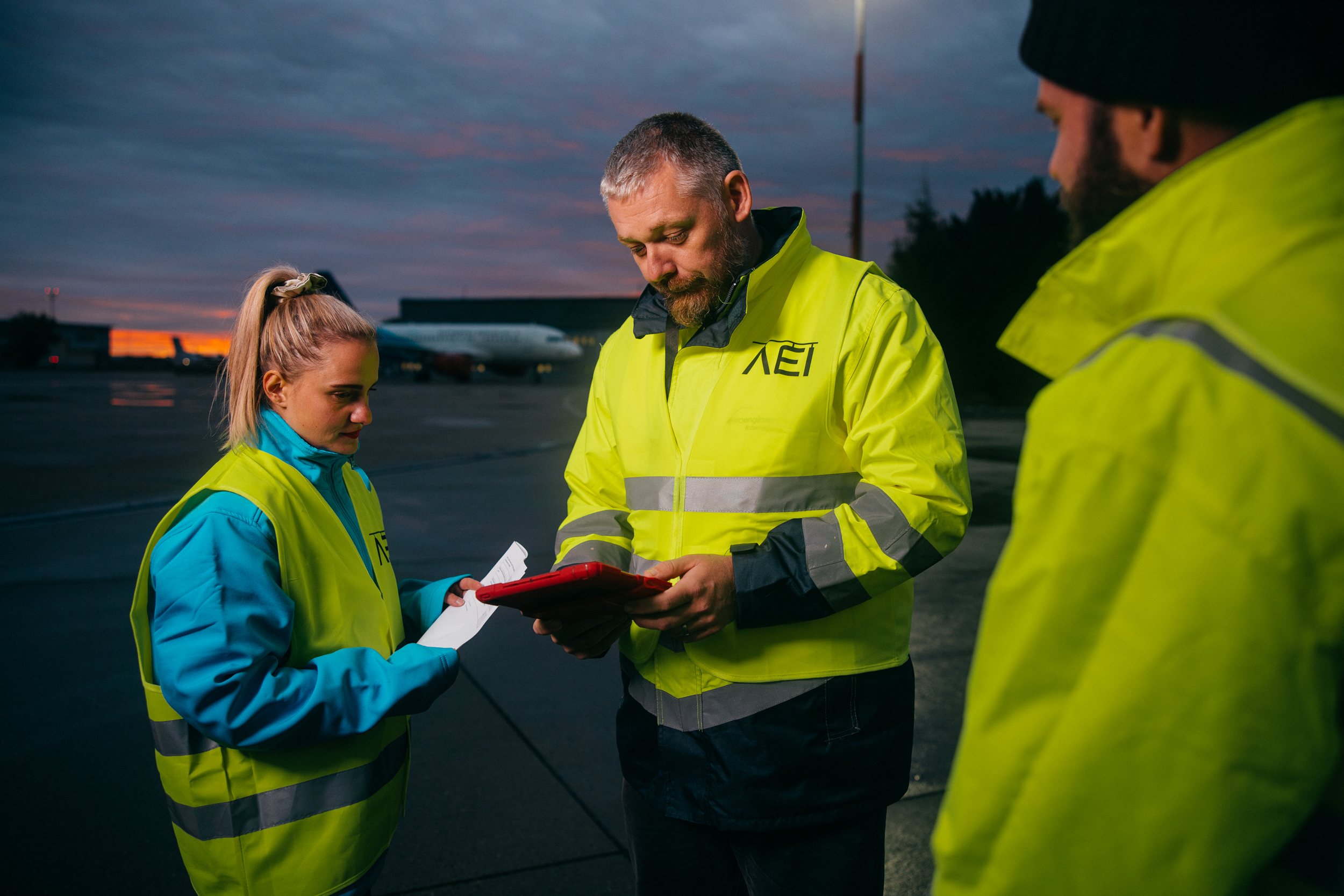
What does good teamwork look like in practice?
It is simple:
- give a proper handover
- confirm what matters
- ask when unsure
- listen when a co-worker raises a concern
- and never assume that “someone else probably checked it.”
Safety is never a one-person job. The strongest maintenance teams are not the ones that work fastest in silence. They are the ones that communicate, support one another, and stay aligned on one common goal: doing the job safely and correctly the first time.
Teamwork significantly helps prevent Failure to Follow Procedure. When teams communicate poorly, people start to assume that someone else has checked the task, read the latest instruction, or confirmed the handover. That is where risk begins.
More about Teamwork you can find in these sources:
Key, K.N. et al. (2023) Safety Culture Assessment and Continuous Improvement in Aviation Maintenance. Available at: FAA Safety Culture Assessment.
Kraus, D.C., Gramopadhye, A.K. and Kimbler, D.L. (2001) Effect of team training on aircraft maintenance technicians. International Journal of Industrial Ergonomics. Available at: ScienceDirect article.
Taylor, J.C. and Christensen, T. (2000) The evolution and effectiveness of Maintenance Resource Management (MRM). International Journal of Industrial Ergonomics. Available at: ScienceDirect article.
“It’s not about fixing what’s broken. It’s about knowing what can break before it does.”